


Table of Contents
- What Makes Authenticated Music Memorabilia a Legitimate Investment
- How to Verify Signed Music Memorabilia Before You Buy
- Understanding Provenance and Certificate of Authenticity
- Archival Framing for Music Memorabilia: Preservation That Protects Value
- Music Memorabilia Appraisal Services and Valuation Standards
- Red Flags That Indicate Forgery and Authentication Risks
- Building a Collectible Portfolio: Artists With Long-Term Appreciation Potential
- Tax, Insurance, and Asset Protection for High-Value Memorabilia
- Frequently Asked Questions
Last Updated: September 20, 2026
What Makes Authenticated Music Memorabilia a Legitimate Investment
Authenticated music memorabilia is a tangible asset class backed by forensic verification, offering measurable value rooted in historical significance, cultural stature, and provenance. At America's Memories, we've spent over 40 years helping collectors understand why this category deserves a place alongside traditional investments.
An autographed vinyl record without proper authentication is a curiosity. Verified by court-approved forensic handwriting examiners and backed by a lifetime authenticity guarantee, it becomes an investment-grade asset, the difference between owning something and owning proof of ownership.
Authenticated music memorabilia appeals to both collectors (emotional and cultural connection) and investors (rarity, condition, provenance). Third-party authentication provides collectors confidence in display value and investors liquidity and market recognition.
Pieces with clear provenance and professional authentication sell more reliably than unverified alternatives, driven by institutional buyers, serious collectors, and investment advisors viewing authenticated music memorabilia as a portfolio hedge.
How to Verify Signed Music Memorabilia Before You Buy
Authenticating signed music memorabilia requires understanding forensic analysis, provenance documentation, and the difference between letter of authenticity and certificate of authenticity.
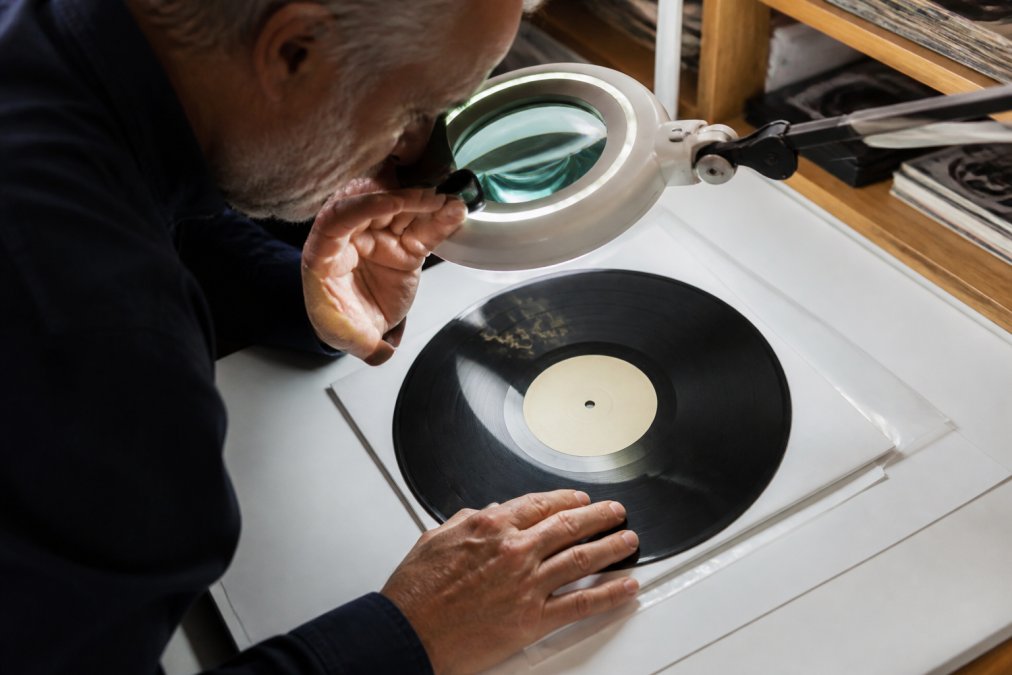
A legitimate certificate of authenticity includes the examiner's credentials, methodology, and specific findings about pen pressure, letter formation, and ink consistency. Generic letters without forensic detail are red flags. Court-approved examiners provide detailed analysis because their work may be used in legal proceedings, that standard protects you.
Request the examiner's credentials directly. Board-certified forensic handwriting examiners have completed rigorous training and maintain professional standards. If a dealer cannot provide verifiable credentials, move on.
Examine provenance documentation. Can the seller trace ownership back multiple decades? Gaps in provenance create uncertainty. A signed photograph from an estate sale with clear documentation is more valuable than an identical piece with unknown history.
Compare the signature against known examples in public collections or auction catalogs. Inconsistencies in letter formation, spacing, or pressure can indicate forgery.
Understanding Provenance and Certificate of Authenticity
Provenance is the documented history of an item's ownership and location. A signed guitar with clear provenance commands premium value; the same piece with unknown history carries investment risk.
A certificate of authenticity is a formal statement backed by forensic analysis; a letter of authenticity is less formal and provides minimal documentation. For serious investment, demand a certificate including the examiner's methodology, specific observations, and professional credentials.
Third-party authentication removes the dealer from the verification equation. When America's Memories uses court-approved forensic handwriting examiners, the authentication stands independently of the sale, protecting both buyer and seller.
Museum-quality archival framing preserves both the memorabilia and authentication documents together, maintaining provenance and protecting your investment.
Archival Framing for Music Memorabilia: Preservation That Protects Value
How you preserve authenticated music memorabilia directly affects its long-term value. Acid-based materials, light exposure, and humidity fluctuations degrade signatures, paper, and fabric.
Professional archival framing uses acid-free materials, UV-protective glass, and climate-appropriate backing. A signed poster in standard framing fades within 10 years; archival-quality framing preserves it for generations.
Avoid direct sunlight and high-humidity areas. Temperature stability is critical; fluctuations cause expansion and contraction that stress materials.
When you purchase authenticated music memorabilia from America's Memories, each piece arrives museum-ready in professional archival framing, protecting your investment from arrival.
Music Memorabilia Appraisal Services and Valuation Standards
Appraisal services provide independent valuations based on comparable sales, condition, provenance, and market demand, essential for insurance, estate planning, and investment tracking.
A qualified appraiser examines the piece in person, reviews authentication documentation, and researches comparable sales. The appraisal report documents condition, provenance, and fair market value for insurance and tax purposes.
Market value varies significantly based on artist stature and rarity. Professional appraisers understand these nuances and provide valuations reflecting actual market conditions.
Update appraisals every 3-5 years to track investment performance and ensure adequate insurance coverage.
Red Flags That Indicate Forgery and Authentication Risks
Protecting yourself requires recognizing authentication red flags and understanding condition standards that legitimate dealers use.
Signature Authentication Red Flags
Compare the signature against multiple authenticated examples from different time periods. Forgers often struggle with consistency across multiple signatures, particularly with natural variations that develop as an artist ages.
Forensic examiners study pen pressure by examining ink saturation and paper indentation. A court-approved examiner's report should include specific observations about pressure consistency.
If an artist signed items in a particular style during the 1970s, a "discovered" piece from that era should match that style. Signatures matching a later period suggest the signature was added years after creation.
Provenance Gaps and Sudden Appearances
Provenance gaps are dangerous. Legitimate pieces have traceable ownership through estate sales, documented collectors, or institutional records. Sudden appearances from unknown sources should trigger skepticism.
Ask sellers directly: Who owned this piece before you? Legitimate dealers can trace ownership back multiple decades. Vague answers indicate potential problems.
Condition Grading and Documentation Standards
Professional dealers and appraisers increasingly use informal grading frameworks to document condition consistently.
Common condition descriptors include:
- Mint/Near Mint: No visible wear, original packaging intact, colors vibrant, no fading or creasing. Signatures show no smudging or fading.
- Very Fine: Minimal wear, slight color fading, no creasing or stains. Signatures remain clear and legible.
- Fine: Light wear, some color fading, possible minor creasing. Signatures show slight fading but remain authentic-looking.
- Very Good: Moderate wear, noticeable color fading, possible creasing or minor stains. Signatures may show wear but are still clearly legible.
- Good: Heavy wear, significant fading, creasing, or stains present. Signatures may be partially faded but identifiable.
- Fair: Substantial damage, heavy fading, multiple creases or stains. Signatures significantly compromised but still present.
- Poor: Severe damage, extensive fading, major creasing or staining. Signatures barely legible.
Insist that sellers provide detailed condition reports specifying signature clarity, paper or fabric condition, creases or stains, color vibrancy, and any restoration work.
Condition directly affects value. A signed photograph in Mint condition commands 3-5 times the price in Good condition. Demand high-resolution photographs from multiple angles.
Materials Analysis and Technical Red Flags
Materials inconsistencies reveal forgeries. Professional authentication should include material analysis testing ink composition, paper age, and fabric characteristics.
Ask whether authentication included ink analysis or paper dating. These tests provide definitive evidence.
Dealer Reluctance and Vague Documentation
Dealer reluctance to provide authentication details is a serious warning sign. Legitimate dealers welcome scrutiny and provide examiner credentials, methodology, and detailed forensic findings.
If a dealer cannot clearly answer who performed authentication and their credentials, what forensic tests were conducted, and provide the full authentication report, move on.
Pricing Anomalies
If authenticated memorabilia sells for significantly less than comparable pieces, ask why. Outlier pricing usually indicates questionable provenance, condition misrepresentation, or authentication concerns.
Research comparable sales through auction databases. If a piece is priced 50% below similar items, understand the reason before committing capital.
Building a Collectible Portfolio: Artists With Long-Term Appreciation Potential
Strategic collectors don't buy randomly. They build portfolios with artists showing sustained cultural relevance and limited supply of authenticated pieces. This approach balances emotional connection with investment discipline.
Historical significance matters more than contemporary fame. Pieces from artists who shaped music history, those with documented influence on subsequent generations, hold value across decades. A signed photograph by a pioneering musician appreciates differently than memorabilia from a one-hit wonder.
Limited availability drives long-term value. Artists who signed relatively few items create natural scarcity. Prolific signers who authenticated thousands of pieces face different market dynamics. Rarity, combined with cultural stature, creates investment potential.
Condition consistency across your collection reduces risk. Building a portfolio where pieces share similar condition grades and framing standards makes the collection more marketable as a whole. Institutional buyers and serious collectors value cohesive collections more than random assemblages.
Diversification across eras and genres provides stability. A portfolio concentrated entirely on 1970s rock memorabilia faces different market pressures than one spanning multiple decades and musical traditions. Geographic and cultural diversity also strengthens long-term performance.
Documentation is your portfolio's foundation. Maintain detailed records of each piece: authentication details, appraisals, condition reports, and purchase history. This documentation makes future sales easier and protects your investment if questions arise.
Tax, Insurance, and Asset Protection for High-Value Memorabilia
Authenticated music memorabilia owned as an investment carries tax implications that differ significantly from traditional securities and require careful planning. Understanding these distinctions is essential before building a collection.
Capital Gains Tax and the Collectibles Rate
Authenticated music memorabilia owned as an investment carries tax implications that differ significantly from traditional securities and require careful planning. Understanding these distinctions is essential before building a collection.
Basis Tracking and Documentation
Your "basis" is your original purchase price plus any costs directly attributable to acquisition. Meticulous documentation is required to substantiate basis. Keep receipts, invoices, and authentication certificates. When you sell, your taxable gain is the sale price minus basis.
State and Local Tax Considerations
Insurance and Coverage Gaps
Estate Planning and Asset Protection
Frequently Asked Questions
How do I verify the authenticity of music memorabilia before investing?
Authentic authenticated music memorabilia requires third-party authentication from board-certified forensic handwriting examiners. Request a detailed condition report and certificate of authenticity that documents the examination process. Verify the authenticator's credentials through court records and industry associations. Examine provenance documentation tracing the item's ownership history. Reputable dealers provide forensic analysis reports showing handwriting comparison samples, ink analysis, and paper dating when applicable.
What's the difference between a certificate of authenticity and a letter of authenticity?
A certificate of authenticity (COA) is a formal, detailed document issued by a third-party authentication expert that includes forensic analysis, condition assessment, and provenance verification. A letter of authenticity (LOA) is typically a shorter statement of authenticity, often from the seller or a less rigorous source. For investment-grade memorabilia, a COA from a court-approved forensic examiner carries significantly more weight in the secondary market and protects your capital appreciation potential.
Why does archival framing matter for music memorabilia investment value?
Archival framing using acid-free, UV-protective materials prevents deterioration that destroys investment value. Improper framing causes autographs to fade, paper to yellow, and signatures to blur, making pieces unsellable or worth a fraction of their authenticated value. Museum-quality archival preservation maintains condition reports over decades, supporting long-term capital appreciation and secondary market liquidity when you choose to sell.
Which music artists' memorabilia typically appreciates most in value?
Limited edition signed items from historically significant artists, those with cultural stature, rarity, and sustained collector demand, tend to appreciate most. Stage-worn memorabilia, early career signatures, and pieces with documented provenance command premium valuations. Market liquidity is strongest for artists with established auction house sales history. Condition grading and authentication credentials directly influence investment horizon returns; investment-grade pieces outperform lower-tier collectibles significantly over 10+ year periods.